
Easy Budget-Friendly Vegetable Pasta Recipe
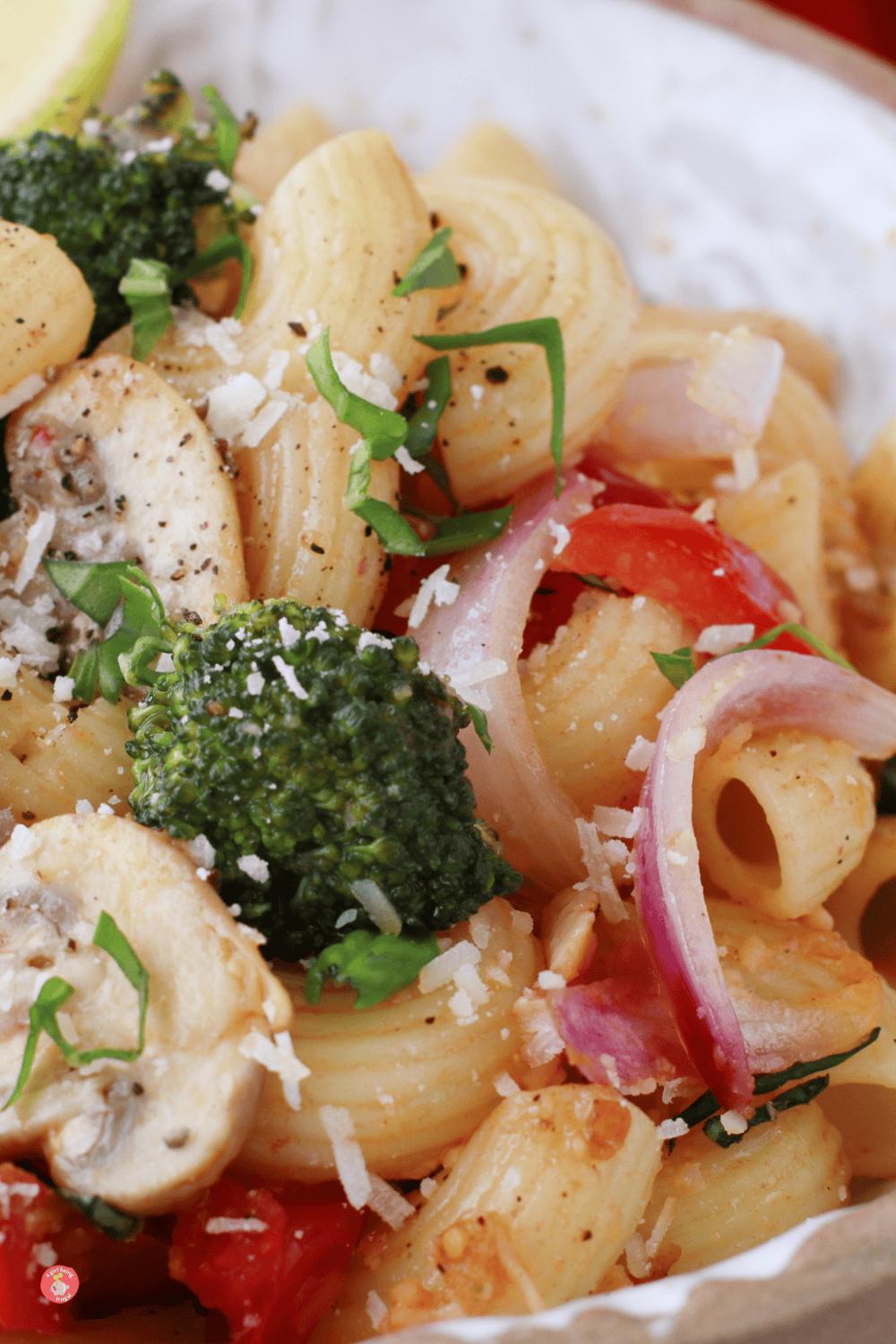
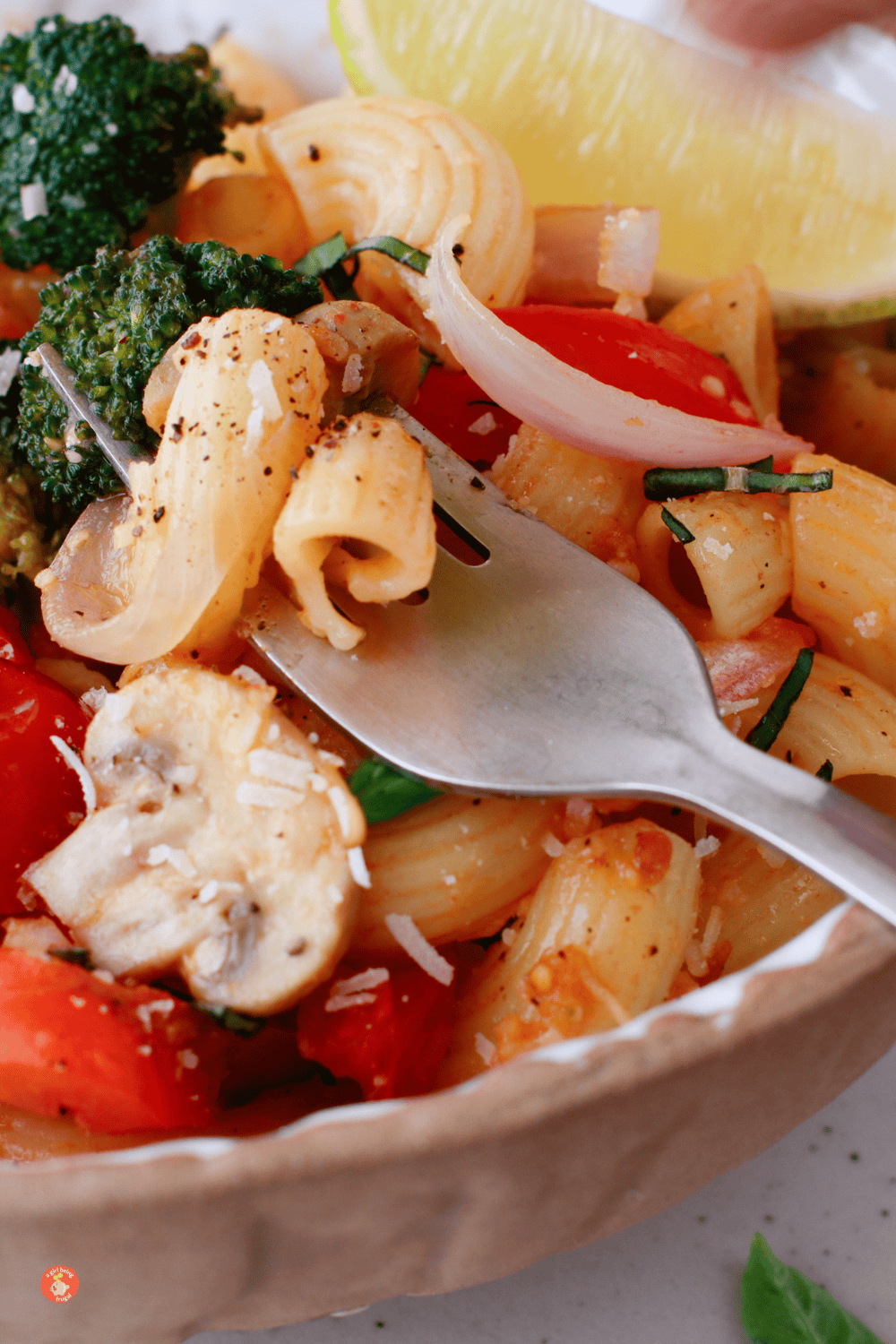
Vegetable pasta for the win today! I know how challenging it can be to cook a meal that’s both delicious and affordable, especially when trying to eat healthier. That’s why I love making this budget-friendly pasta recipe—it’s packed with fresh vegetables, comes together in under 30 minutes, and won’t cost a fortune. If you’re looking for an easy, no-fail dinner that the whole family will enjoy, you’re in the right place!
This quick vegetarian pasta is perfect for busy weeknights or meal prepping for the week ahead. It’s also a great way to use up any leftover veggies in the fridge, making it super practical and budget-conscious. I personally love pairing it with some garlic bread or a simple side salad, but it’s filling enough to enjoy on its own. You can even add grilled chicken, shrimp, or chickpeas for extra protein if needed.
What Is Vegetable Pasta?
If you’ve never made vegetable pasta before, think of it as a simple yet flavorful dish where pasta meets fresh, sautéed vegetables. It’s a go-to meal in my kitchen because it’s so versatile—you can use whatever vegetables you have on hand, switch up the pasta type, or even throw in a homemade sauce to give it a different twist.
Vegetable pasta is inspired by classic Italian dishes like pasta primavera, where fresh produce takes center stage. I love how this dish highlights the natural sweetness of cherry tomatoes, the earthiness of mushrooms, and the crunch of red bell peppers. And the best part? Everything comes together in just one pan, so cleanup is a breeze!
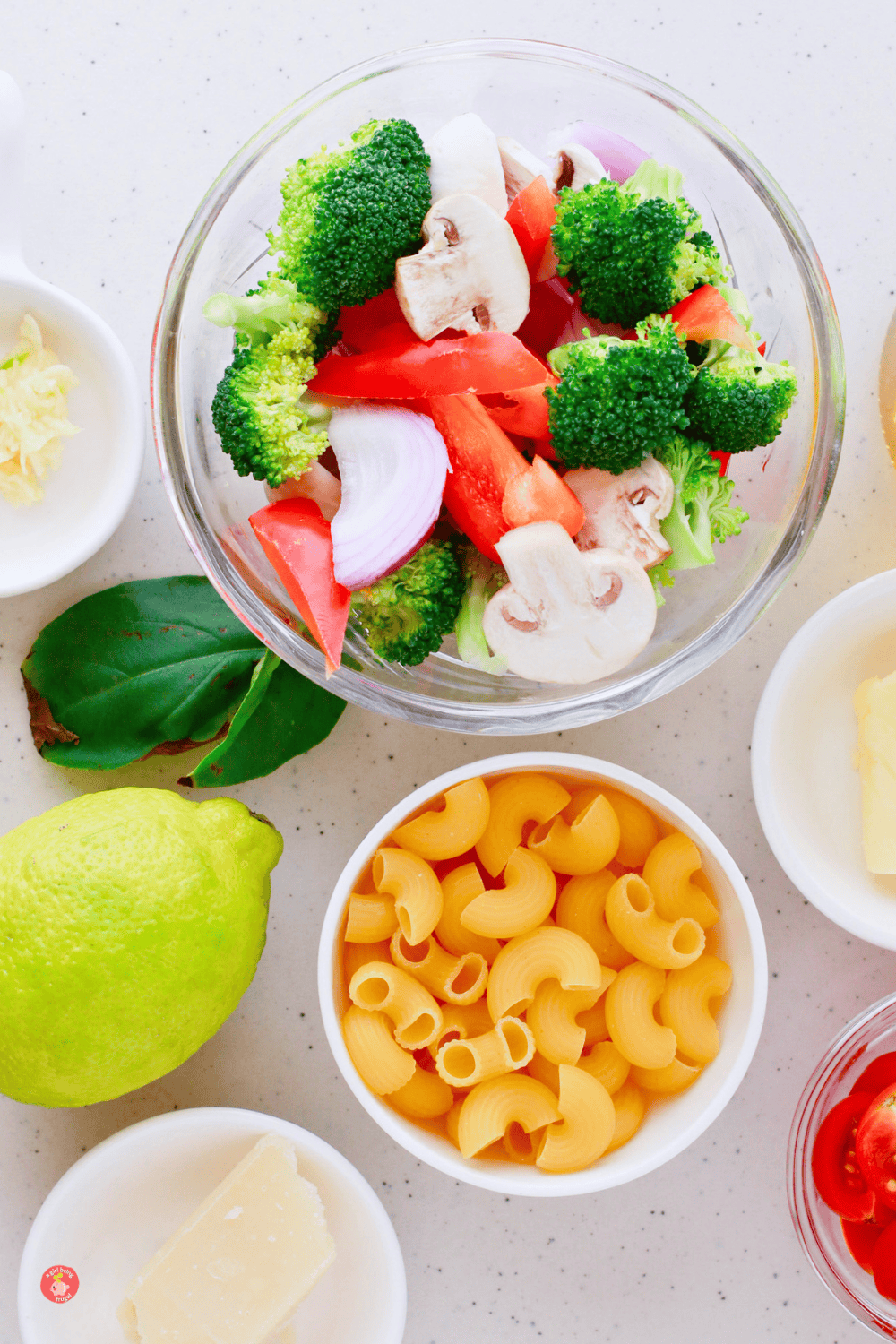
Ingredients To Make This Budget-Friendly Pasta Recipe
One of my favorite things about this recipe is that it uses simple, inexpensive ingredients that you probably already have in your kitchen. Each ingredient plays an important role in adding flavor and texture to the dish.
Pasta – You can use any kind you like! I usually go for penne or elbow macaroni, but whole wheat or gluten-free options work too.
Cherry Tomatoes – These add a burst of sweetness and create a light sauce when they cook down.
Broccoli Florets – I love how broccoli adds crunch and a bit of color to the dish. Plus, it’s packed with nutrients.
Onion – Adds a bit of sweetness and depth of flavor, especially when it gets slightly caramelized.
Button Mushrooms – They give the pasta a nice, earthy taste. If you’re not a fan, you can skip them or swap them for zucchini.
Red Bell Pepper – Adds a pop of color and natural sweetness. I love using red, but yellow or orange bell peppers work too.
Olive Oil – Helps sauté the vegetables and enhances their flavors.
Unsalted Butter – Adds a bit of richness and helps create a light sauce.
Garlic – Because every good pasta dish needs garlic! It brings in that amazing aroma and flavor.
Grated Parmesan – Gives the pasta a nutty, salty kick. You can also use nutritional yeast for a dairy-free option.
Salt & Pepper – Essential for seasoning and balancing flavors.
Fresh Basil Leaves – I love adding fresh basil at the end; it makes everything taste so much fresher.
Lemon Juice – Just a squeeze at the end makes all the flavors pop!
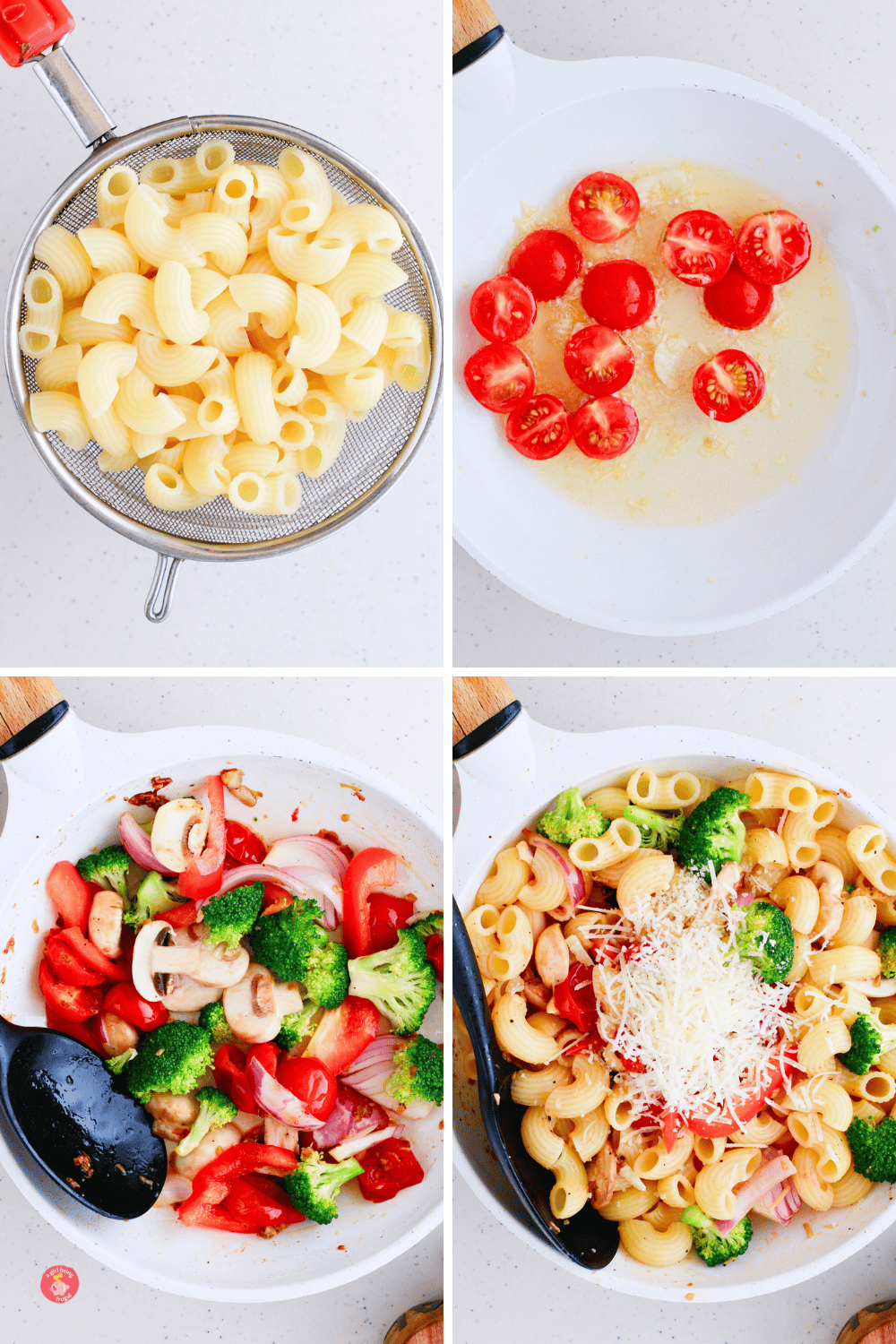
How to Make Easy Vegetable Pasta
This recipe is perfect for beginners, so if you’ve never made pasta from scratch before, don’t worry—I’ll walk you through every step.
1. Cook the Pasta
Start by boiling a large pot of salted water. I always add a generous amount of salt because it helps season the pasta from the inside. Cook your pasta until it’s slightly underdone (al dente), then drain it and rinse with cold water. This stops the cooking process and prevents the pasta from getting mushy. Set it aside while we work on the veggies.
2. Sauté the Garlic and Tomatoes
In a large pan, heat olive oil and butter over medium heat. Add the minced garlic and cook for about 30 seconds until fragrant. I love this part—it makes the whole kitchen smell amazing! Toss in the cherry tomatoes, season with salt and pepper, and let them cook for about 4-5 minutes. They’ll start to soften and release their juices, which creates a light, flavorful sauce.
3. Add the Vegetables
Now, it’s time to add the onions, mushrooms, broccoli, and red bell pepper. I like to stir-fry them on high heat for about 4-5 minutes so they stay slightly crisp. If you prefer softer veggies, just cook them a little longer.
4. Combine Everything
Add the cooked pasta to the pan and toss everything together until well combined. At this point, I like to sprinkle in half of the Parmesan cheese and give it a gentle toss. It melts into the pasta, making everything extra delicious.
5. Finish with Basil and Lemon
The final touches make all the difference! Tear some fresh basil leaves with your hands and sprinkle them over the pasta. Squeeze a bit of lemon juice on top for a bright, fresh taste. Finish by adding the remaining Parmesan cheese, and you’re ready to serve!
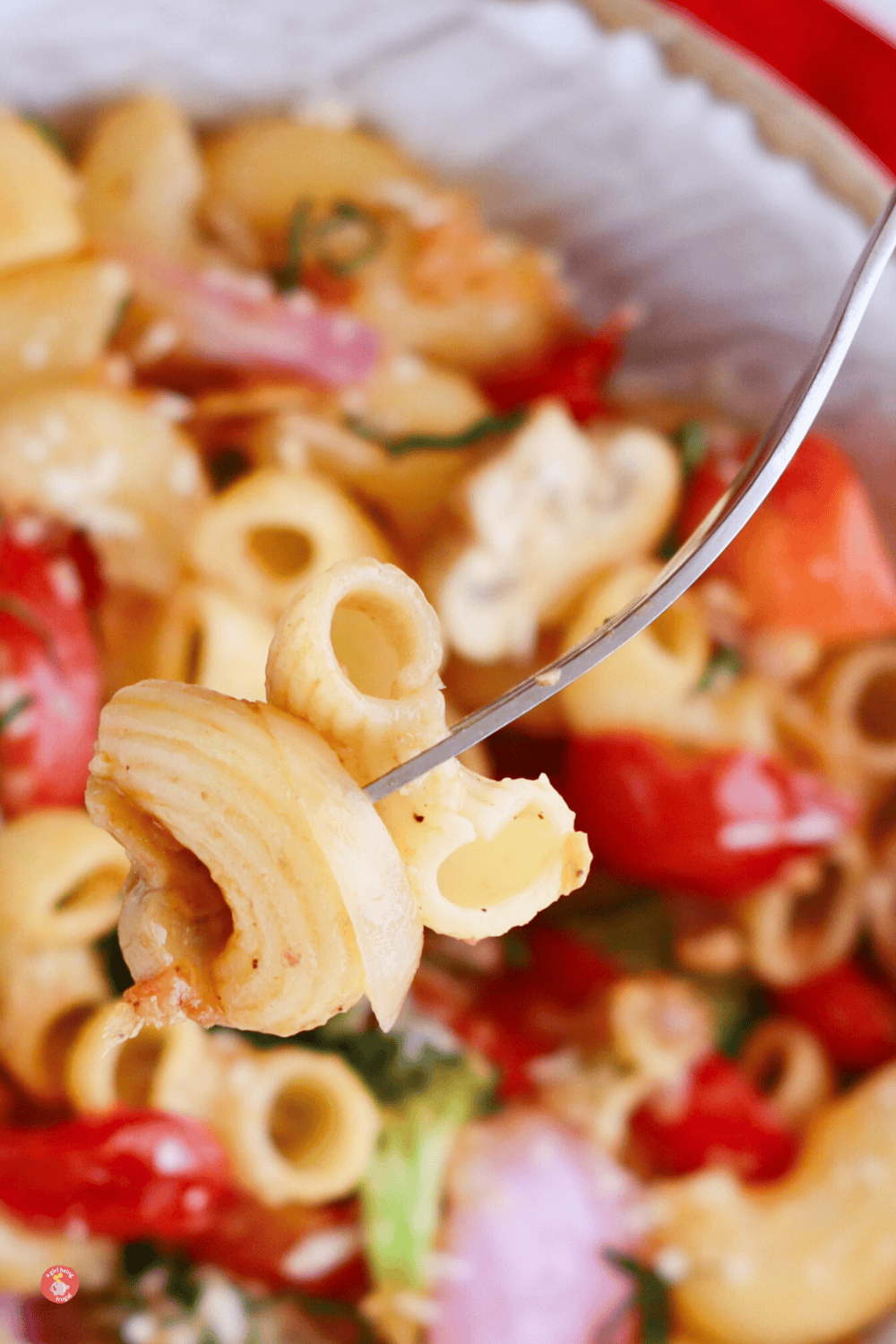
Tips For Making The Best Budget-Friendly Pasta
Here are some of my favorite tips to make sure this pasta turns out perfect every time.
Use Seasonal Vegetables for the Best Flavor and Price – Vegetables that are in season are usually cheaper, fresher, and have better flavor. Cherry tomatoes and bell peppers are at their best in the summer, while broccoli is great in the winter. If fresh vegetables aren’t available or are too expensive, frozen vegetables work well too. They are often just as nutritious and can be added directly to the pan.
Cook the Pasta Al Dente to Avoid Mushiness – Overcooked pasta becomes mushy, especially when mixed with the vegetables and cheese. To prevent this, cook the pasta 1-2 minutes less than the package instructions suggest, then rinse it with cold water to stop the cooking process. This keeps the pasta firm and helps it hold its shape in the dish.
Season Well for the Best Flavor – Salt and pepper enhance the overall taste of the dish, but seasoning should be done gradually. Add a little at a time and taste as you go. If the pasta tastes bland, a pinch of salt, a squeeze of lemon juice, or a little extra Parmesan can bring out the flavors. Since Parmesan is naturally salty, it’s best to add salt before the cheese to avoid over-seasoning.
Add Protein to Make It a Complete Meal – This pasta is filling on its own, but adding protein makes it even more satisfying. Grilled chicken or shrimp pairs well, while chickpeas or white beans provide a great plant-based option. Tofu works well too—press it to remove moisture before pan-frying and adding it to the pasta.
Store and Reheat Properly to Keep It Fresh – Leftover pasta stays fresh for up to 3 days in an airtight container in the fridge. When reheating, add a splash of water or olive oil before warming it in a pan over medium heat—this keeps it from drying out. If using a microwave, cover the dish with a damp paper towel to help retain moisture.
Frequently Asked Questions
Can I use frozen vegetables instead of fresh ones?
Absolutely! Frozen vegetables are a great budget-friendly option. Just thaw and drain them before cooking, since they tend to release extra moisture.
What type of pasta works best for this dish?
I prefer short pasta like penne, rotini, or elbow macaroni because they hold the sauce and vegetables well. However, spaghetti or fettuccine can work too if that’s what you have on hand.
How do I make this pasta dish creamy?
If you’re craving a creamier texture, try adding a splash of heavy cream, Greek yogurt, or a little cream cheese while tossing the pasta. It makes the dish extra comforting!
Can I make this dish ahead of time?
Yes! You can prep the pasta and veggies separately and store them in the fridge for up to 3 days. When you’re ready to eat, just heat everything in a pan with a little olive oil or butter.
Have You Tried This Easy Vegetable Pasta Recipe?
I’d love to hear how this recipe turned out for you! If you’ve made this budget-friendly pasta recipe, leave a comment and let others know what you think. Your feedback helps other home cooks, and I always enjoy seeing different variations of this dish.
If you enjoyed it, don’t forget to share it with friends and family who are looking for easy, affordable meals.